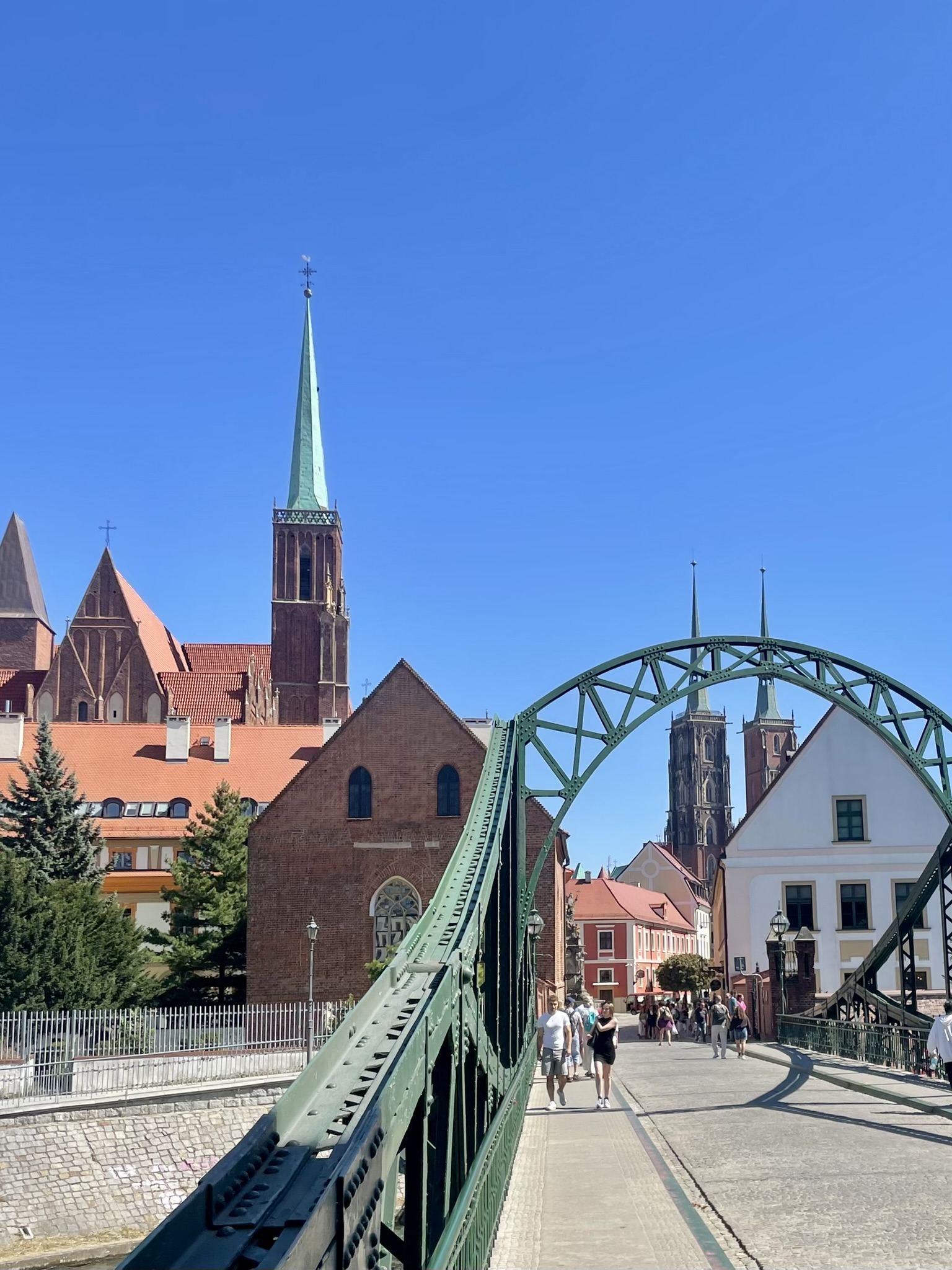
My life afforded me a fairly limited window for a city break in August. Reviewing the departures from Manchester Airport there was one place that fitted the timetable perfectly, and that is essentially why I went to Wrocław, or something close to vrot-swaaf if you want it phonetically. Sitting in that Poland-Germany-Czechia corner of Central Europe, it also promised the particular sense of romance I had been enjoying in abundance through my evenings playing Kingdom Come: Deliverance II.
Upon arriving and beginning the wander, Wrocław delivered on the brief in spades. It lives and feels like a Central European city par excellence, the sort of place where you can almost imagine a parade of knights riding through. Churches and civic buildings carry heraldry everywhere, black eagles and crests interspersed within the architecture, giving the city an immediate and very legible sense of place.
A great deal of Wrocław was rebuilt following the destruction of 1945 and, at times, it looks like it in its pristineness; for me this isn’t an insult. There are moments when the sharpness edges toward a Disneyland replica of a city, but what differentiates it is that Wrocław has done a very good job of allowing the old and new to sit together.
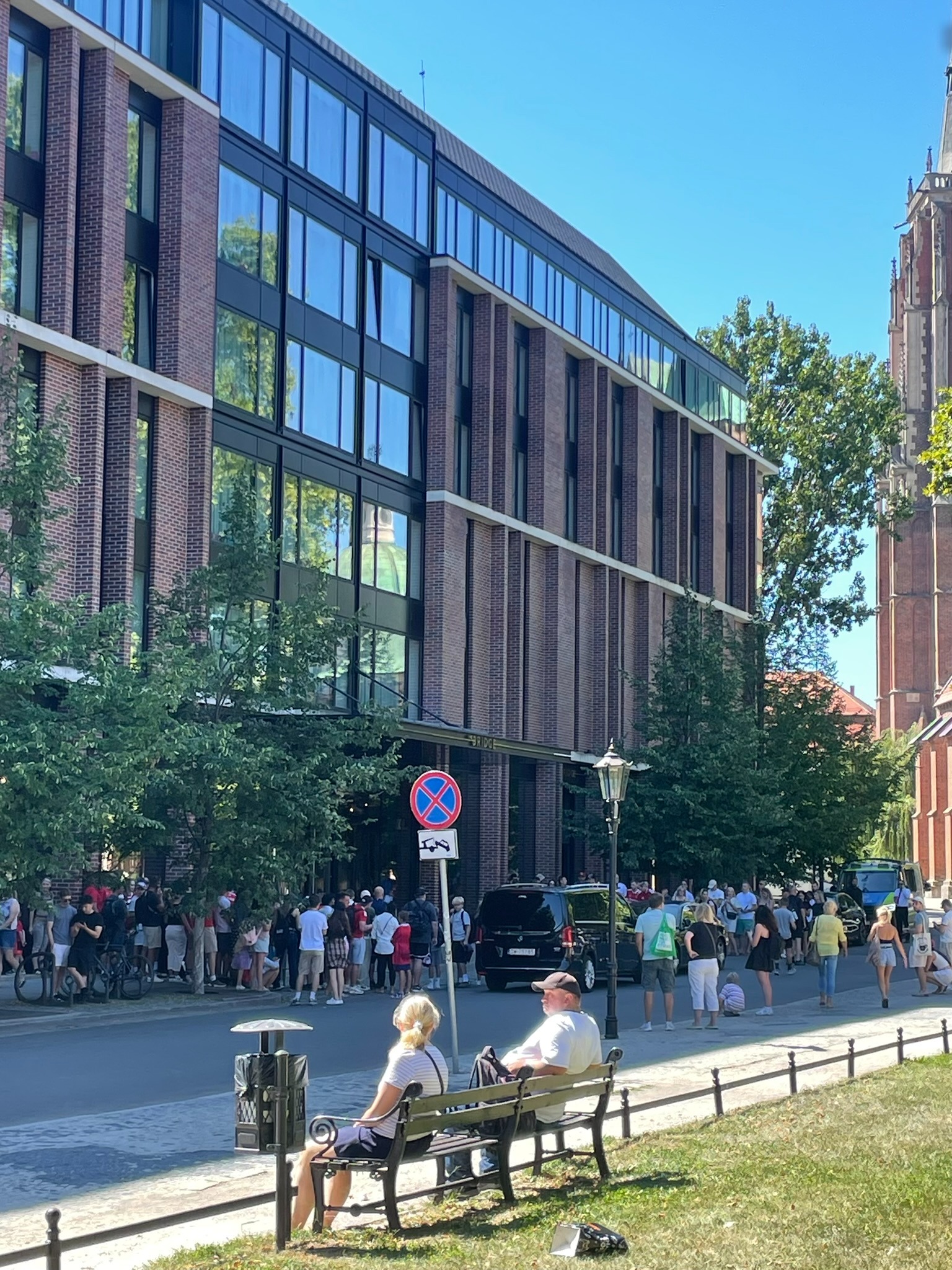
While we were visiting, Manchester United were weirdly in town playing AC Milan and crowds of fans had gathered outside their hotel hoping to glimpse their favourite player. The modern building sat metres away from Wrocław Cathedral, which looked suitably resplendent behind it. Fans from across this part of Europe then filled the historic market square alongside Polish armed forces taking part in a national celebration. It was busy, but it didn’t feel like everyone was simply there to look at the scenery… people were actually using the place.
As a bit of a pretentious prick, I love a bit of a flâneur, and Wrocław provides excellent territory for the loose wanderer to practise their craft. The amount and variety of bars, restaurants, shops and streets means that almost any direction is rewarded. A modern shopping centre sits a stone’s throw from the university quarter and market squares, and moving between them feels seamless. You don’t get that odd sensation of entering a part of a city where everybody is looking at the space rather than using it, St Mark’s Square in Venice being perhaps the most extreme example.
Its relatively understated tourist profile helps. Nowhere felt oppressively crowded and the city provides plenty of places to stop and pause, a key consideration for a man who likes his walks punctuated with pints.
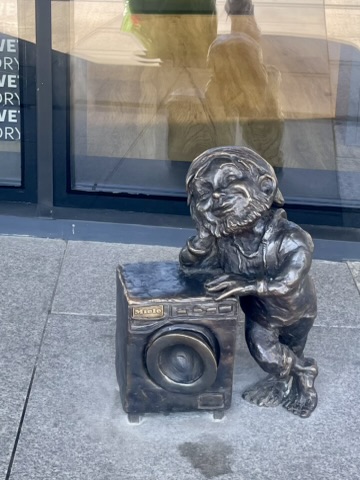
A word on the gnomes; the city is littered with small bronze figures which provide a parallel pursuit while wandering around. There are now allegedly more than a thousand, many commissioned by local businesses. The apartment I stayed in was above a Miele shop and naturally they had a delightful little chap outside fitting a washing machine.
But unlike the giant bee / superlambanana / insert-other-municipal-novelty-here approach, they aren’t simply objects created to give tourists something to photograph. The dwarf imagery has roots in the Orange Alternative, the anti-communist protest movement of the 1980s, and has since evolved into something businesses and institutions across the city have adopted. The tradition represents a piece of Wrocław’s history, sat within everyday life.
That discussion of communism gives us an excuse to stroll outside the picture-postcard centre and into the more lived-in edges of the city. Staying on the Oder meant crossing the river and walking north into Nadodrze, an area the guidebooks had promised would be lively, edgy and littered with street art and murals.
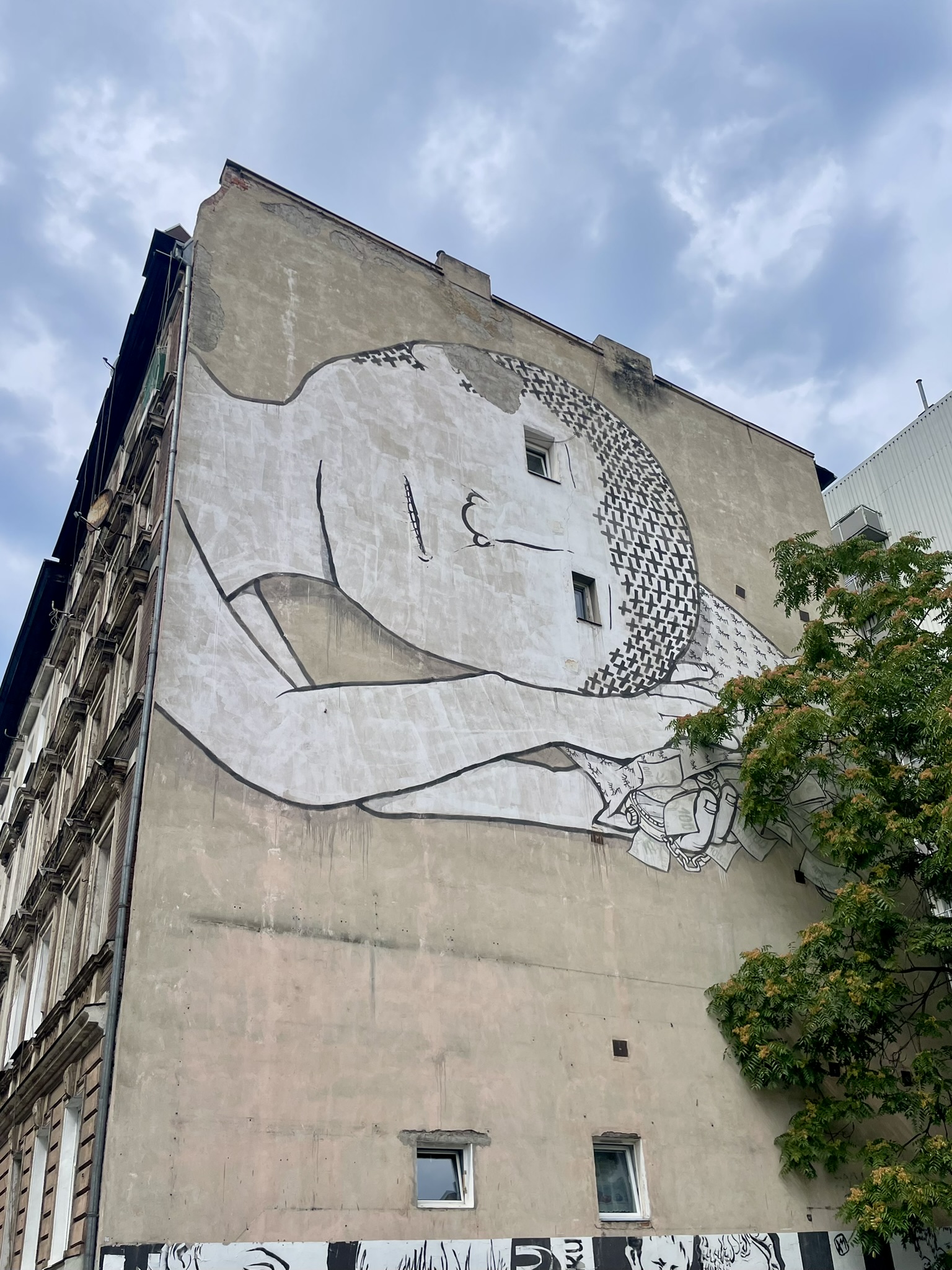
It delivered, the storybook historic core immediately gave way to harsher unornamented post-war architecture, blank walls, greyer streets, shades of concrete and murals which occasionally used the architecture to good effect… perhaps because it was Sunday, it wasn’t quite as lively as advertised, but the wander itself was still worthwhile and eventually produced the promised prize; a local brewery and taproom.
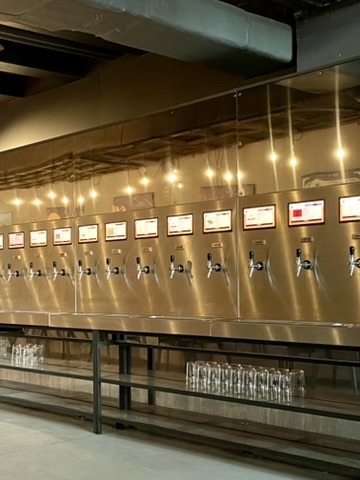
It sat around a courtyard filled with picnic benches and tables. On one side you could order from the brewery’s full range while looking into the machinery and brewing process itself; on the other was a deli-style shop selling local products and extremely good-looking food. It would not have looked out of place in Ancoats or Hackney Wick, great beer and a place where you could talk and occupy for hours.
And that really centres on my primary thought about Wrocław. If you like eating, drinking and filling time with levity rather than itineraries, this is the city break for you.
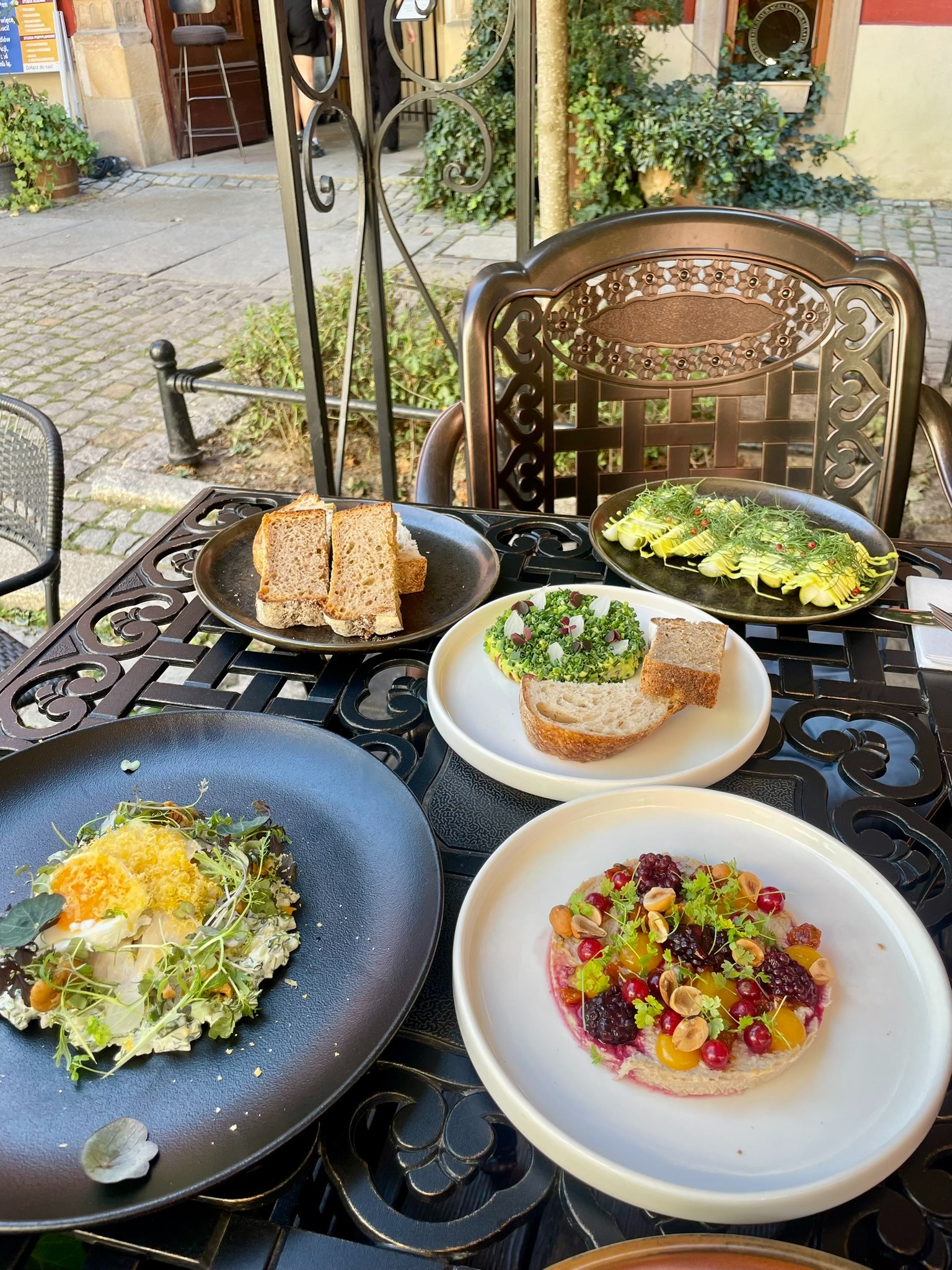
Coming from Manchester, the prices were a revelation. A leisurely lunch at a Michelin Guide restaurant allowed us to share four starters and have two local beers for around £50 for two. It was the high-cuisine classic of traditional Polish flavours with a modern twist, but Wrocław does not restrict itself to vernacular cuisine. There was an enormous variety of Asian food, and another dinner for two involving sushi, sake and yet more beer came to a fairly jaw-dropping £33 in total.
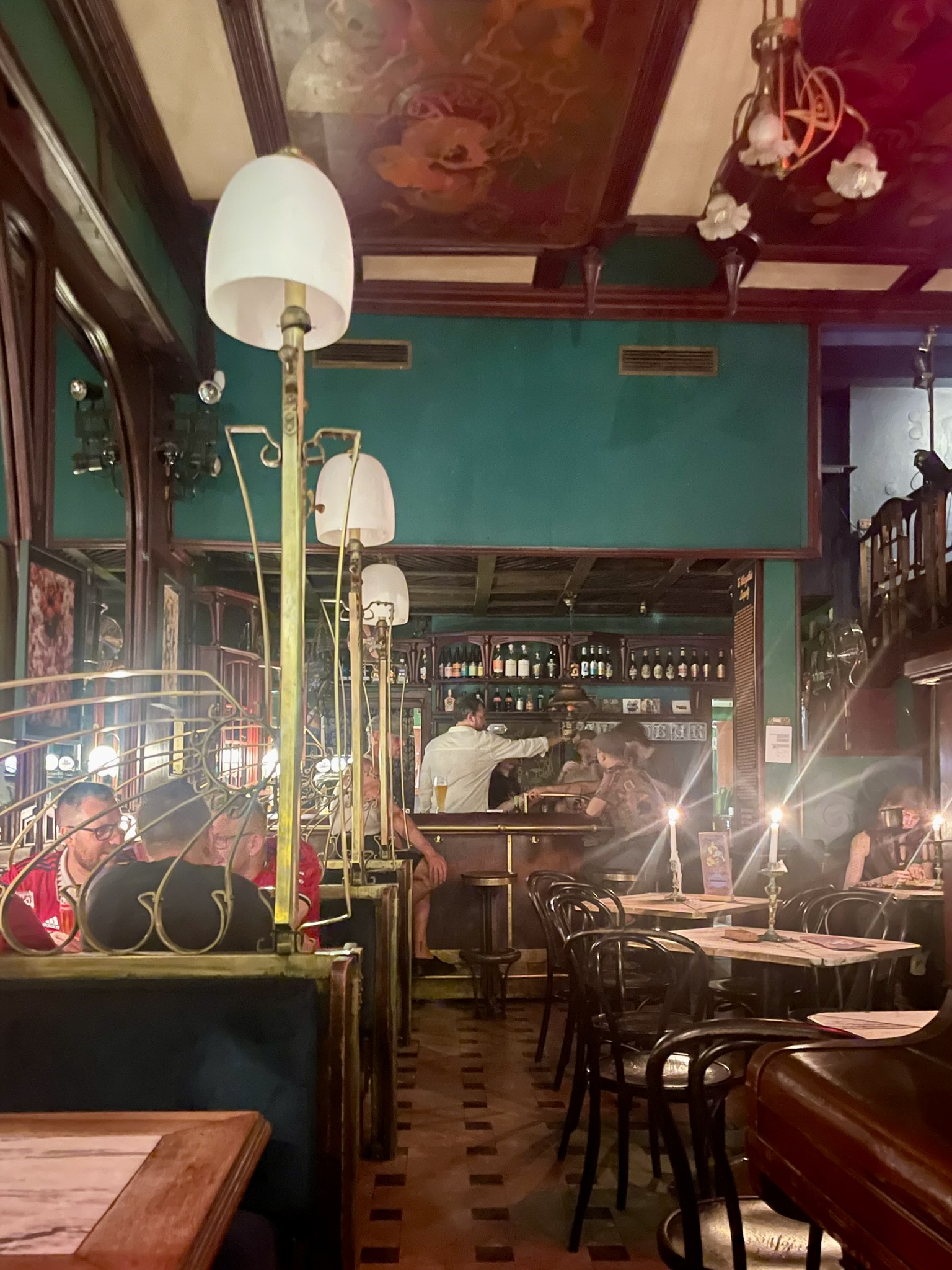
The drinking options were equally broad. Modern taprooms sat with Central European beer gardens, whilst an ornate old-fashioned bar offered the feeling of occupying a table in wartime Paris. The city's considerable number of cafés and courtyards all gave you different ways to spend hours doing very little. The weather was considerably better than the averages had promised, thanks climate change, but even in the heat the city never felt oppressive and that's because there were so many places to dwell both inside and out.
I’d be interested to see how Wrocław adapts to winter. But for four warm nights in August it gave me all I wanted from a city break. Enough to look at without demanding a checklist, enough variety to stop eating and drinking becoming repetitive, and enough life that wandering around without much of a plan remained rewarding.
Places from the trip